


Pathology
What is Pathology?
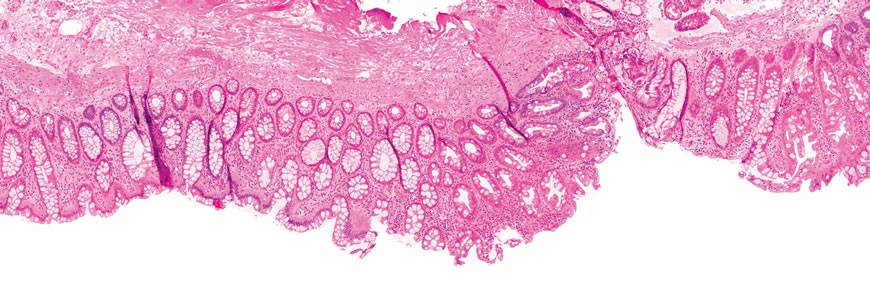
Pathology is the science of disease in terms of the word meaning (pathos = disease, logos = science). It examines the changes that occur at the cellular level in organs as a result of diseases. It diagnoses diseases by the appearance of cells under the microscope.
Pathologists diagnose the disease by evaluating the data obtained as a result of examinations and tests performed by doctors or other health professionals. Pathology plays an important role in the diagnosis and treatment of diseases.
Pathologists are often in contact with patients' doctors, not directly with the patient. The pathology report, on the other hand, is the result of an evaluation in which the features seen under the microscope are interpreted by considering the patient as a whole, and this examination is performed by doctors/pathologists.
Are Pathologists Doctors?
Yes. Medical faculty graduates become a pathologist (pathologist) after a 4-year residency training. As in every branch of medicine, it is a branch open to innovations and the literature should be followed closely after specialization.
Which Diseases Do Pathology Specialists Treat?
He is mainly interested in the diagnosis of many diseases, especially cancer diseases. Pathological examination is also necessary for the definitive diagnosis, follow-up, treatment response, decision for organ transplantation, and recognition of various microbial diseases.
Some Diseases Under Pathological Examination:
- Biopsy samples of patients to be transplanted
- Various post-transplant situations
- For the diagnosis of complications
- In various conditions, such as in cervical cancer
- Diagnosis and treatment of diseases before cancer develops
- Diseases of the parenchyma of the lung
- Intestinal diseases
- Various rheumatic diseases
- Vascular and skin diseases (psoriasis, eczema, etc.)